How to Master Blazer Color Choices for a Polished Professional Look
The Foundation of a Strong Wardrobe
When I first started building my professional wardrobe, I made the mistake of thinking a single black blazer would cover every situation. It didn't take long to realize that blazer color choices matter far more than I had assumed. The right shade can make you look approachable during an elevator pitch or commanding in a job interview. The wrong one can leave you feeling invisible or, worse, mismatched with the room.
Over the years, I have learned that blazer color choices are not just about preference. They are about context, lighting, industry norms, and even your own skin tone. A navy blue blazer reads differently in a creative agency than it does in a law firm. Charcoal gray signals seriousness, while camel invites warmth. The trick is knowing which notes to hit and when.
Understanding the Neutral Palette
Neutral colors are the backbone of any wardrobe capsule. Navy blue, charcoal gray, black, and camel are the most versatile options. If you can only own two blazers, make one navy and one charcoal gray. Those two alone will cover everything from a board meeting to a networking event. I have worn a navy oversized blazer with white trousers for a summer conference and then paired it with dark jeans for a casual dinner. The same blazer, two completely different moods.
Charcoal gray works especially well for industries where tradition matters. It pairs naturally with a white shirt and a silk tie, but it also works with a simple turtleneck for a more modern feel. Camel, on the other hand, is my go-to for client lunches. It softens your silhouette and makes you seem approachable without losing professionalism. I once bought a camel blazer from Uniqlo that became my most-worn piece for months.
When to Go Bold: Burgundy and Beyond
Not every situation calls for a neutral. Burgundy blazers have gained traction in recent years, and for good reason. They offer a pop of color without screaming for attention. I have seen colleagues wear a burgundy blazer to internal meetings and receive compliments without overshadowing the discussion. It works because it stays within the warm family of reds but remains subdued enough for an office setting.
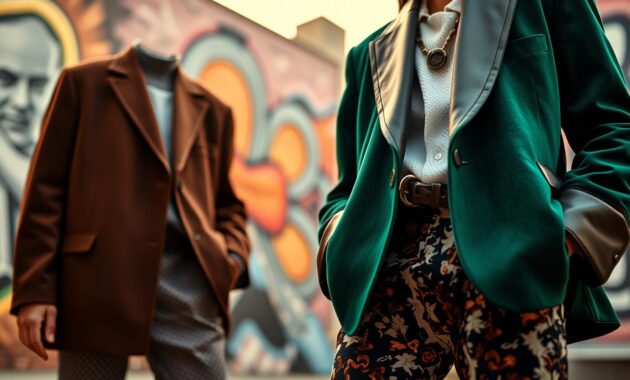
If you are feeling adventurous, consider a matching set in a bolder color. A burgundy blazer with matching trousers creates a power suit that feels intentional rather than loud. The key is to keep the rest of your outfit minimal. A white or cream top underneath lets the color stand on its own. I remember seeing a woman at a conference wear a burgundy oversized blazer with cream wide-leg pants. She looked confident and relaxed at the same time.
Seasonal Color Analysis and Your Blazer
Seasonal color analysis can help you narrow down which shades flatter your complexion. If you have warm undertones, camel and burgundy will likely suit you better than stark black or charcoal gray. If you have cool undertones, navy blue and charcoal gray will be your allies. I have personally found that a navy blazer from Zara works for me all year, while a camel one feels best in autumn and spring.
This is not about rigid rules. It is about giving yourself a starting point. You can always break the rules once you know them. For example, a monochrome outfit in all camel or all charcoal gray can look incredibly polished. It elongates your frame and creates a cohesive visual line. I have tried this with a charcoal gray blazer and matching trousers from H&M, and it simplified my morning routine significantly.
Oversized Blazers and the Modern Silhouette
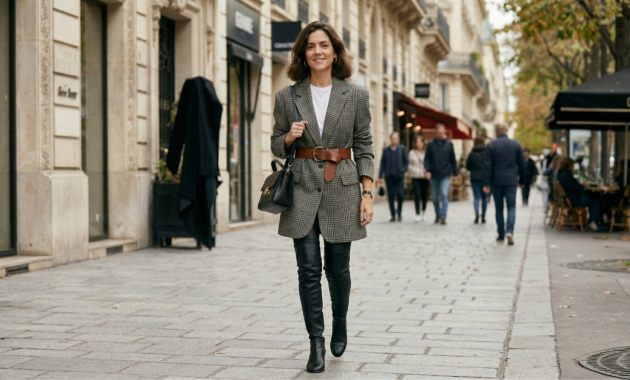
The oversized blazer trend has changed how we think about structure. A boxy fit in a neutral palette feels current without being trendy. I own an oversized blazer from The Row that I found secondhand, and it has become a staple in my wardrobe. It works over a simple dress or with wide-leg jeans. The key is balance: if the blazer is loose, keep the bottom half fitted. If you go for an oversized blazer in a lighter color like camel, you can even use it as a color block element against darker separates.
Color block is a technique I use often when I want to add visual interest without patterns. A navy oversized blazer with burgundy trousers creates a strong contrast that still feels professional. The secret is to limit the palette to two or three colors. Too many blocks and the outfit starts to feel chaotic.
Workplace Style: From Interview to Everyday
For a job interview, I always recommend a neutral blazer. Navy blue is the safest bet. It conveys reliability and confidence. Pair it with a matching set if you want to look fully put together, or with a simple blouse and trousers. The goal is to let your skills speak, not your outfit. I once interviewed a candidate who wore a charcoal gray blazer with a burgundy pocket square. The pocket square added personality without distracting from the conversation. That is the sweet spot.
For your everyday workplace style, you can rotate between a few blazers to keep things fresh. A wardrobe capsule built around three blazers in navy, charcoal gray, and camel gives you dozens of combinations. Add one burgundy blazer for days when you need a confidence boost. I have found that having a small rotation prevents boredom and makes getting dressed feel effortless.
Practical Tips for Building Your Collection
Here are a few things I have learned from trial and error:
- Start with two neutrals (navy and charcoal gray) before adding any statement colors.
- Check the fabric. Wool blends drape better than stiff synthetics. Uniqlo offers affordable options that hold their shape well.
- Try the blazer with your existing trousers before buying. A matching set is not always necessary; mixing works if the colors complement each other.
- Consider your industry. Creative fields allow for more color; traditional fields reward restraint.
- Use Pinterest to create a mood board. I have saved dozens of outfits there to see how different colors work together before I commit to a purchase.
Monochrome and Matching Sets
Monochrome dressing has become a hallmark of polished style. Wearing a blazer and trousers in the same color streamlines your silhouette and projects intentionality. I have a matching set in charcoal gray from Zara that I wear for presentations. It eliminates the guesswork of coordinating separates. But monochrome does not have to mean matching set. You can wear a navy blazer with navy trousers from different brands as long as the shades are close. A slight variation can actually add depth.
For those who prefer matching sets, H&M and Uniqlo both offer affordable options that work well for early career professionals. The Row sets are aspirational but worth saving for if you want investment pieces. A matching set in camel or burgundy can double as a power suit for client meetings or a polished look for after-work events.

Final Thoughts on Blazer Color Choices
Your blazer color choices affect how others perceive you before you even speak. That may sound like a lot of pressure, but it is also an opportunity. By choosing colors that align with your personality and the room you are walking into, you set yourself up for success. I have seen a simple change from black to navy transform someone's entire presence. It is not magic. It is just good styling.
The next time you shop for a blazer, think about your existing wardrobe. What colors do you already wear? Which ones make you feel confident? Build from there. A thoughtful collection of blazers will serve you for years, whether you are preparing for a job interview, delivering an elevator pitch, or simply navigating your everyday workplace style.